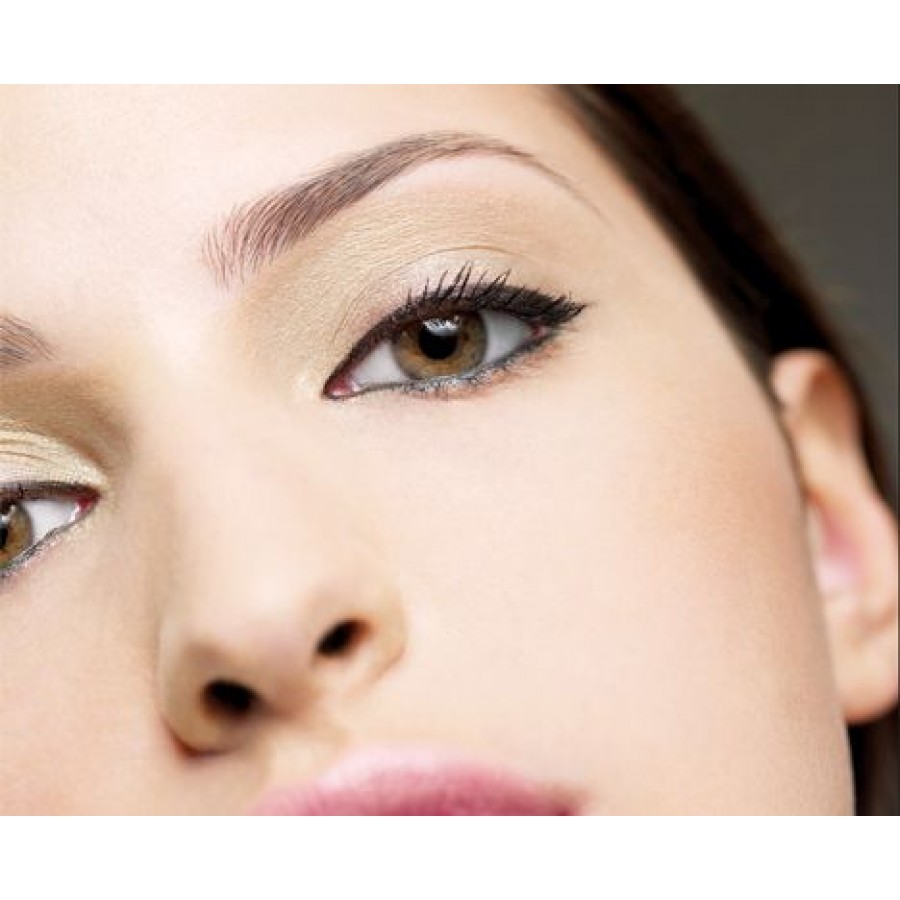
Well-shaped eyebrows can make a noticeable difference to your overall appearance. If you want tidy, defined brows, two popular options are eyebrow threading and waxing. But which method is better for your skin, eyebrow shape and beauty routine?
Understanding the differences between eyebrow threading vs waxing can help you choose the right treatment for your needs. At Just Threading, customers can explore professional eyebrow shaping services to find an option that suits their preferences.
What Is Eyebrow Threading?
Eyebrow threading is a hair-removal technique that uses a twisted cotton thread to remove unwanted hairs from the follicle. A trained beauty therapist moves the thread across the skin to catch and remove individual hairs.
One of the main advantages of threading is its precision. It allows the therapist to shape the eyebrows carefully, making it useful for cleaning up the brow line and removing small, unwanted hairs.
Threading does not require wax or depilatory chemicals, which may make it a suitable option for some people who prefer to avoid these products. However, threading can still cause temporary redness, tenderness or irritation, particularly on sensitive skin.
Explore eyebrow threading services at Just Threading to learn more about professional brow shaping.
What Is Eyebrow Waxing?
Eyebrow waxing uses a suitable wax to remove unwanted hair from the root. The wax is applied to the selected area and removed to take away the hairs, helping create a clean and defined eyebrow shape.
Waxing can remove several hairs at once, making it a convenient option for people who want to tidy the brow area efficiently. It can also be used for other facial and body hair-removal treatments.
However, waxing may cause redness, irritation or skin sensitivity. Extra care is important if you have sensitive skin or use skincare products that make your skin more delicate.
You can learn more about the available treatments on the Just Threading waxing services page.
Eyebrow Threading vs Waxing: What Are the Main Differences?
Both methods remove unwanted hair from the root, but the techniques differ.
- Precision: Threading allows individual hairs to be targeted, which can be helpful when creating a defined eyebrow shape. Waxing removes groups of hairs in one application.
- Products used: Threading uses a thread rather than wax. Waxing requires a product applied directly to the skin.
- Skin sensitivity: Either treatment can cause temporary irritation. Waxing may be unsuitable for some people with fragile or sensitised skin, while threading can also cause redness and discomfort.
- Treatment preference: Some people prefer the control of threading, while others find waxing convenient. Your choice depends on your skin, comfort level and desired result.
Neither method is automatically best for everyone. A trained therapist can help you choose a suitable option based on your needs.
Which Eyebrow Treatment Is Better for Sensitive Skin?
If your skin is sensitive, the right treatment depends on what triggers your irritation and the condition of your skin.
Threading avoids direct application of wax, but the friction and pulling involved can still irritate sensitive areas. Waxing can cause redness and may remove or damage the outer skin layer if performed incorrectly, particularly when the skin is already compromised.
Tell your beauty therapist about any skin sensitivities, recent skin treatments or products you use. If you use retinoids or other treatments that increase skin sensitivity, seek professional advice before waxing. Avoid hair removal over broken, inflamed or irritated skin.
How Often Should You Get Your Eyebrows Threaded or Waxed?
The ideal maintenance schedule varies depending on your natural hair growth, preferred brow shape and how quickly unwanted hairs appear.
Some people prefer regular appointments to maintain a precise shape, while others wait until more regrowth becomes visible. Avoid removing too much hair too frequently, especially if you are trying to grow fuller eyebrows.
Your therapist can recommend a maintenance routine that suits your desired look without unnecessary hair removal.
Can You Combine Eyebrow Threading with Tinting?
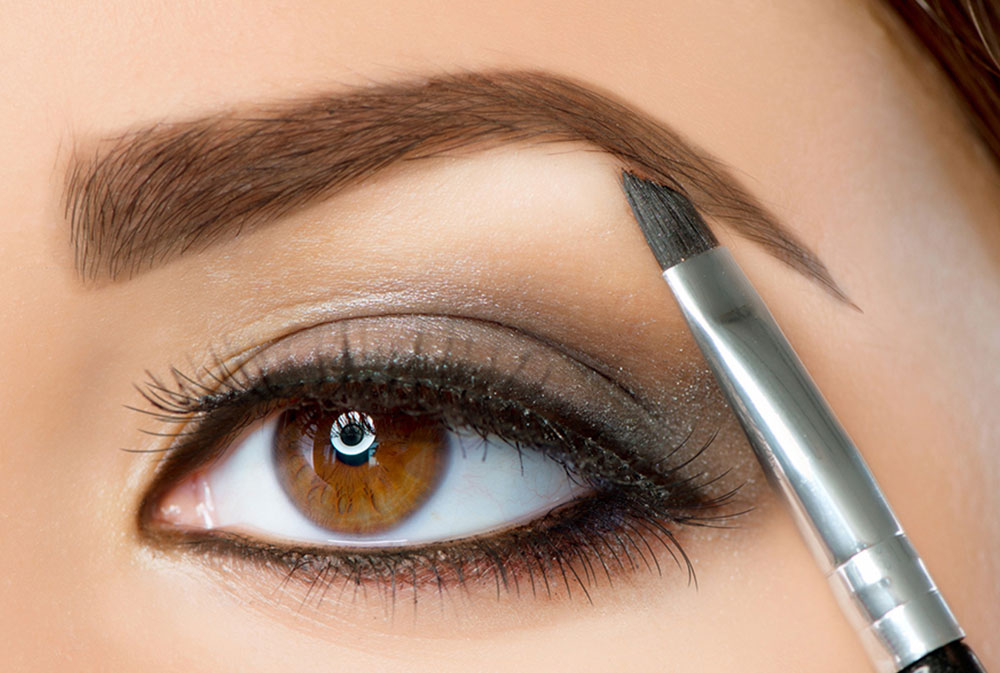
Yes. Eyebrow threading and tinting can be combined when appropriate. Threading helps shape the brows, while tinting adds colour to eyebrow hairs to create a more defined appearance.
Just Threading offers eyebrow tinting alongside its eyebrow styling services. Ask the salon about suitable combinations and any required patch testing before treatment, as tinting products can cause allergic reactions in some people.
Where Can You Get Professional Eyebrow Threading or Waxing?
Choosing a salon that understands eyebrow shaping can help you achieve a result that complements your facial features and personal style.
Just Threading offers eyebrow threading, waxing and other beauty services across selected locations in Melbourne, Geelong and Perth. Visit the Just Threading to explore its services, check your nearest salon and find out more before your visit.
Ready for neatly shaped brows? Explore the available treatments at Just Threading and choose an eyebrow service that fits your preferences.
Frequently Asked Questions
Does eyebrow threading last longer than waxing?
Both methods remove hair from the root, and regrowth varies between individuals. The time between treatments depends on your natural hair growth and preferred brow shape.
Is eyebrow threading more painful than waxing?
Pain varies from person to person. Threading may feel like a series of small pinches, while waxing can produce a brief pulling sensation. Neither method is completely pain-free.
Can I get eyebrow threading if I have sensitive skin?
It may be possible, but threading can still cause irritation. Tell your therapist about your skin concerns before treatment so they can help assess whether it is suitable.
Should I choose threading or waxing for eyebrow shaping?
Threading may suit people who want precise hair removal, while waxing can be convenient for removing several hairs at once. Consider your skin sensitivity, preferences and desired result when deciding.
